Best Things to Do in Mong Kok Hong Kong 2025: Complete Guide
Mong Kok pulses as Hong Kong's most densely populated district, where 340,000 people per square mile create an intoxicating urban symphony of street markets, neon signs, and cultural authenticity. This electric neighborhood offers experiences that capture Hong Kong's essence: traditional goldfish markets where feng shui meets commerce, legendary shopping streets where bargaining becomes art, and hidden food stalls serving dishes that have sustained generations of locals.
The district's narrow streets reveal layers of Hong Kong culture—from century-old bird markets echoing with melodic chirping to cutting-edge electronics centers showcasing Asia's technological future. Every corner tells stories of adaptation and resilience, where traditional Chinese customs flourish amid towering apartment blocks and international commerce. Whether you're seeking authentic cultural immersion, unbeatable shopping deals, or simply the adrenaline rush of navigating one of the world's busiest neighborhoods, Mong Kok delivers experiences that define urban Hong Kong.
🎯Perfect Mong Kok Day Itinerary
Start at Goldfish Market (10am) → Flower Market (11am) → Bird Garden (12pm) → Lunch at local dim sum (1pm) → Ladies Market shopping (2-4pm) → Computer Centre exploration (4-5pm) → Sneaker Street browsing (5-6pm) → Temple Street Night Market dinner (7pm+)
Iconic Traditional Markets
Mong Kok's traditional markets preserve Hong Kong's cultural heritage while adapting to modern urban life. These vibrant commercial spaces offer authentic glimpses into local customs, traditional beliefs, and community relationships that define Hong Kong character.
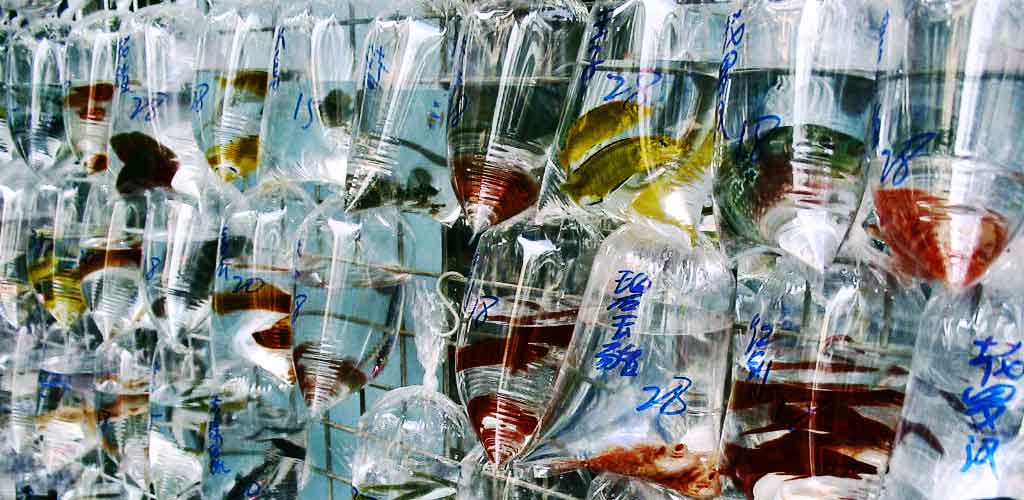
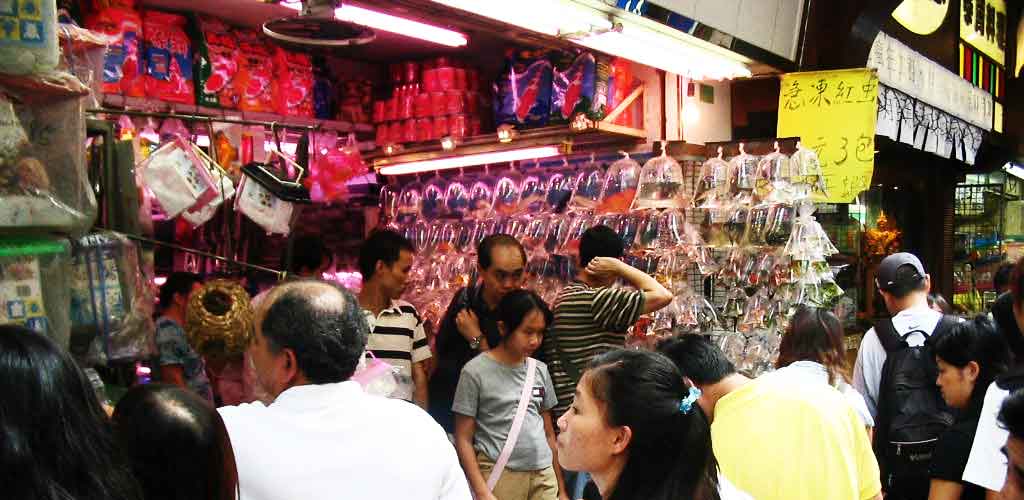
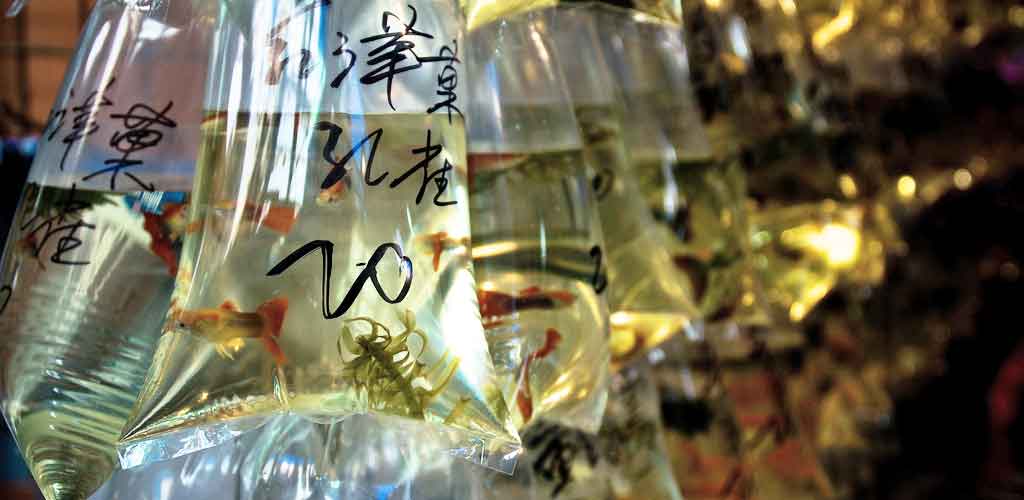
Goldfish Market on Tung Choi Street creates an aquatic wonderland where dozens of shops showcase thousands of goldfish varieties in mesmerizing displays. This unique market combines traditional Chinese beliefs about prosperity and feng shui with serious aquaculture business, attracting both tourists seeking cultural experiences and locals maintaining traditional practices. The market's narrow corridors reveal expert vendors who understand goldfish breeding, traditional fish care, and feng shui principles.
Goldfish selection here goes far beyond simple pets—vendors explain how different fish types, colors, and aquarium arrangements influence luck, wealth, and harmony according to traditional Chinese beliefs. Many shops offer complete feng shui consultation services, helping customers choose fish and aquarium setups that align with traditional practices.
🐠 Goldfish Market Insider Tips
Best visiting time: Weekday mornings (10am-12pm) for largest selection and owner availability
Cultural experience: Ask vendors about feng shui principles and fish symbolism
Photography: Beautiful aquarium displays create stunning photos with proper lighting
Ladies Market transforms Tung Choi Street into Hong Kong's most famous shopping destination, where over 100 stalls offer everything from designer knockoffs to authentic local crafts. The market's success comes from its perfect balance of tourist accessibility and local authenticity—vendors maintain traditional bargaining culture while adapting to international customers.
Successful Ladies Market navigation requires understanding local bargaining protocols. Vendors expect negotiation as part of the social interaction, often starting prices at 300-400% of acceptable final costs. The bargaining process itself becomes cultural exchange, where persistence, humor, and respect for vendors create positive outcomes for both parties.
Flower Market on Flower Market Road brings natural beauty and traditional symbolism to urban Mong Kok. This specialized market caters to Hong Kong's appreciation for fresh flowers, traditional garden plants, and seasonal decorations that mark important cultural celebrations throughout the year.
The market reveals Hong Kong's connection to seasonal traditions through flower selections that correspond to traditional festivals, wedding customs, and feng shui practices. Vendors offer expert advice about flower symbolism, proper care techniques, and cultural significance of different plants in Chinese traditions.
Cultural Attractions & Heritage Sites
Mong Kok's cultural attractions showcase how traditional Chinese culture adapts and thrives within Hong Kong's most densely populated urban environment. These sites offer educational opportunities about local history, traditional practices, and community evolution.
Yuen Po Street Bird Garden preserves traditional Chinese bird-keeping culture in a beautifully designed public space where elderly men gather daily to socialize their prized songbirds. This peaceful garden creates surprising tranquility amid Mong Kok's urban intensity, offering visitors opportunities to observe traditional male social culture and bird appreciation practices.
The garden's traditional Chinese architecture includes moon gates, decorative screens, and landscaping that demonstrates classical garden design principles. Regular visitors bring elaborate bird cages and gather for informal competitions, social interaction, and knowledge sharing about bird care and training techniques.
Temple Street Night Market awakens after sunset as Hong Kong's most atmospheric street market, where fortune-tellers, street food vendors, and impromptu Cantonese opera performances create magical nighttime experiences. The market combines commercial activity with traditional entertainment, maintaining cultural practices that have sustained Hong Kong communities for generations.
🌙 Temple Street Night Market Cultural Guide
Peak hours: 8pm-10pm for food, performances, and fortune-telling
Cultural highlights: Traditional Chinese opera performances (usually after 9pm)
Fortune-telling: Palm reading, face reading, and traditional Chinese fortune-telling available
Traditional Cantonese opera performances happen spontaneously throughout the evening, with elderly musicians setting up simple stages and performing classical pieces for appreciative local audiences. These impromptu concerts offer rare opportunities to experience traditional Chinese performing arts in their natural social context.
Sik Sik Yuen Wong Tai Sin Temple nearby serves as one of Hong Kong's most beloved spiritual destinations, where locals pray for good fortune, health, and prosperity. The temple's vibrant architecture and active religious community provide authentic insights into Hong Kong's spiritual life and traditional beliefs.
Shopping Districts & Specialty Streets
Mong Kok's specialized shopping streets demonstrate Hong Kong's commercial genius for organizing similar retailers into concentrated districts that benefit both merchants and customers. These themed streets offer comprehensive shopping experiences with competitive pricing and expert knowledge.
Fa Yuen Street (Sneaker Street) creates paradise for athletic footwear enthusiasts, where dozens of shops offer everything from limited-edition releases to affordable athletic shoes. The street's success comes from specialization that allows vendors to maintain extensive inventories and develop expertise about brands, sizing, and authenticity.
Sneaker Street's vendors understand international sizing, authentic product identification, and current fashion trends. Many shops offer services like customization, cleaning, and restoration that demonstrate deep knowledge about athletic footwear culture and customer needs.
Sim City and surrounding electronics markets showcase Hong Kong's position as Asia's technology hub, where the latest gadgets, computer components, and electronic accessories appear often before official retail releases. These markets combine wholesale pricing with retail accessibility, offering technology enthusiasts access to cutting-edge products.
Electronics market navigation requires basic knowledge about compatibility, warranty coverage, and authentic product identification. Vendors typically offer competitive pricing and technical support, but customers benefit from understanding their specific technology needs before shopping.
💡 Mong Kok Shopping Strategy
Cash is King: Most local stalls accept cash only • Bargaining Expected: Start at 30-50% of asking price • Quality Check: Inspect items carefully before purchasing • Compare Prices: Visit multiple stalls for similar items
Argyle Street and surrounding areas house numerous shopping centers including Langham Place, Grand Plaza, and smaller local malls that offer climate-controlled shopping with mix of international brands and local retailers. These centers provide convenient access to diverse shopping options while maintaining connections to street-level market culture.
Food & Dining Experiences
Mong Kok's food scene ranges from Michelin-recommended street stalls to innovative fusion restaurants, reflecting Hong Kong's evolution as a global culinary destination. The district's dense population supports incredible dining diversity within small geographic areas.
Street food culture thrives throughout Mong Kok's markets and main streets, where vendors serve traditional Hong Kong snacks and regional Chinese specialties that attract both locals and adventurous visitors. Popular options include curry fish balls, egg waffles, stinky tofu, and seasonal specialties that change according to traditional food customs.
Street food exploration requires understanding local customs about ordering, payment, and consumption. Most vendors operate cash-only businesses and expect customers to consume food immediately rather than taking purchases away. Language barriers exist but pointing and gesturing typically succeed for basic orders.
Traditional dim sum restaurants in and around Mong Kok serve authentic Cantonese cuisine in settings that range from casual tea restaurants to upscale establishments. These restaurants maintain traditional service styles, menu offerings, and social customs that demonstrate Hong Kong's Chinese cultural roots.
Dim sum dining follows specific cultural protocols including tea service customs, sharing practices, and bill payment traditions. Understanding these customs enhances dining experiences and demonstrates respect for local culture while ensuring smooth service interactions.
Night food markets transform Mong Kok streets after dark, when additional food vendors appear and existing restaurants extend services onto sidewalks. Night dining culture reveals different aspects of Hong Kong food traditions, including late-night snacks, social dining customs, and seasonal specialties.
Entertainment & Nightlife
Mong Kok's entertainment options reflect Hong Kong's multicultural character, where traditional Chinese entertainment coexists with international influences and contemporary youth culture. The district offers diverse nightlife experiences that cater to different age groups and cultural interests.
Karaoke culture dominates Mong Kok's evening entertainment scene, where numerous karaoke lounges offer private rooms for groups to enjoy singing popular songs in multiple languages. These venues demonstrate Hong Kong's social entertainment preferences and provide opportunities for cultural exchange through music.
Karaoke venues range from budget-friendly local establishments to upscale facilities with advanced sound systems and extensive song libraries. Most venues charge hourly rates and offer food and beverage services, creating complete entertainment experiences for groups.
Internet cafes and gaming centers cater to Hong Kong's technology-oriented youth culture, offering high-speed internet access, gaming computers, and social spaces for digital entertainment. These venues reflect Hong Kong's position as a connected, technology-forward society where digital culture thrives.
🎮 Mong Kok Entertainment Hours
Karaoke: Most venues open 2pm-2am daily, peak times 8pm-midnight
Gaming centers: Usually 24/7 operation, popular with students after school
Night markets: Food and entertainment peak 7pm-11pm
Traditional Chinese entertainment appears spontaneously throughout Mong Kok, including street musicians, opera performances, and cultural demonstrations during festivals. These authentic cultural experiences happen naturally as part of community life rather than organized tourist attractions.
Architecture & Urban Exploration
Mong Kok's architectural landscape tells stories of Hong Kong's rapid urban development, housing innovation, and adaptation to extreme population density. The district showcases how cities can accommodate massive populations while maintaining cultural identity and community life.
Residential high-rises dominate Mong Kok's skyline, where some of the world's tallest residential buildings house hundreds of families in vertical communities. These buildings demonstrate Hong Kong's architectural innovation in creating livable spaces within severe land constraints.
Public housing estates throughout Mong Kok provide examples of Hong Kong's successful social housing programs, where government-built apartments offer affordable accommodation for lower-income residents. These developments integrate with commercial areas and maintain community spaces despite high density.
Mixed-use buildings combine residential, commercial, and sometimes industrial uses within single structures, maximizing land efficiency while creating vibrant street-level activity. These buildings demonstrate Hong Kong's approach to urban planning that prioritizes accessibility and convenience.
Building exploration reveals Hong Kong's adaptation to tropical climate through architectural features like covered walkways, building connections, and ventilation systems that provide comfort in hot, humid conditions while accommodating pedestrian traffic.
Transportation & Accessibility
Mong Kok's position as a major transportation hub makes it easily accessible while demonstrating Hong Kong's world-class public transportation system. Understanding transportation options enhances exploration efficiency and cultural immersion opportunities.
MTR stations including Mong Kok, Mong Kok East, and Prince Edward provide convenient access to different parts of the district while connecting to Hong Kong's extensive rail network. Each station offers different access points that optimize exploration of specific attractions.
Mong Kok Station (Tsuen Wan Line, Kwun Tong Line) provides direct access to Ladies Market, shopping centers, and commercial areas. Prince Edward Station offers closer access to Flower Market and Bird Garden. Mong Kok East connects to residential areas and provides easy transfers to other Kowloon destinations.
Bus transportation throughout Mong Kok includes both local routes and cross-harbor services that demonstrate Hong Kong's comprehensive public transportation coverage. Bus travel offers street-level perspectives of neighborhood life while providing affordable transportation options.
🚇 Mong Kok Transportation Guide
Mong Kok MTR: Exit E2 for Ladies Market, Exit D3 for shopping centers
Prince Edward MTR: Exit B1 for Flower Market, Exit C for Bird Garden
Walking: Most attractions within 10-minute walk of MTR stations
Taxi services provide convenient transportation for groups or visitors carrying purchases, though traffic congestion during peak hours may make MTR travel more efficient. Taxi drivers typically understand basic English and major attraction names.
Cultural Etiquette & Local Customs
Successful Mong Kok exploration requires understanding local customs, social expectations, and cultural sensitivities that ensure positive interactions with residents and vendors. These guidelines help visitors navigate cultural differences while showing respect for local community.
Market etiquette includes appropriate bargaining behavior, respectful interaction with vendors, and understanding of local business customs. Vendors appreciate customers who engage in friendly negotiation while respecting time constraints and business needs.
Photography customs vary among different locations and situations. Markets generally welcome photography of products and general scenes, but vendors appreciate permission before photographing specific stalls or people. Some cultural sites may have specific photography restrictions or customs.
Social interaction in Mong Kok reflects Hong Kong's multicultural character, where basic English often succeeds for simple transactions while Cantonese knowledge enhances cultural experiences. Patience and good humor help overcome language barriers and create positive exchanges.
Crowd navigation requires understanding Hong Kong pedestrian customs, especially during peak shopping hours when streets become extremely crowded. Locals typically walk quickly and maintain awareness of surrounding pedestrians while navigating through dense crowds.
Seasonal Activities & Special Events
Mong Kok's activities change throughout the year according to traditional festivals, shopping seasons, and weather patterns. Understanding seasonal variations helps visitors plan optimal experiences while participating in local cultural celebrations.
Chinese New Year transforms Mong Kok into a festive wonderland where traditional decorations, special market stalls, and cultural performances create spectacular celebration atmospheres. Markets extend hours and feature special merchandise while traditional lion dances and cultural activities fill public spaces.
Mid-Autumn Festival brings traditional mooncake sales, lantern displays, and cultural performances that demonstrate Hong Kong's connection to Chinese cultural traditions. Local businesses offer special products and services that align with festival customs and traditional celebrations.
Summer shopping seasons coincide with student holidays and tourist peak periods, when markets and shopping centers offer extended hours and special promotions. Air-conditioned shopping centers become particularly popular during Hong Kong's hot, humid summer months.
📅Mong Kok Seasonal Calendar
Spring: Flower Market peak season, pleasant weather for walking • Summer: Extended shopping hours, indoor attractions popular • Autumn: Festival seasons, ideal weather for exploration • Winter: Christmas decorations, comfortable temperatures
Budget Planning & Money-Saving Tips
Mong Kok offers experiences for all budget levels, from free cultural attractions to premium shopping and dining options. Understanding cost structures and money-saving strategies helps visitors maximize experiences while controlling expenses.
Free activities include market browsing, people-watching, architecture appreciation, and cultural observation that provide rich experiences without entrance fees. Many of Mong Kok's most authentic cultural experiences happen naturally in public spaces without charge.
Budget dining options throughout Mong Kok include street food vendors, local tea restaurants, and casual dining establishments that offer authentic Hong Kong cuisine at affordable prices. These venues provide cultural immersion while maintaining reasonable costs.
Shopping strategies like comparing prices among multiple vendors, understanding seasonal sales patterns, and mastering bargaining techniques help visitors obtain better value while supporting local businesses. Cash payment often enables better pricing from local vendors.
Transportation costs remain minimal due to Hong Kong's efficient public transportation system, where MTR travel, buses, and trams provide affordable access to all Mong Kok attractions. Walking between nearby attractions eliminates transportation costs entirely while providing street-level cultural immersion.
Safety & Practical Considerations
Mong Kok maintains Hong Kong's reputation as one of the world's safest major cities, though the district's extreme population density requires awareness of crowd dynamics and urban navigation strategies. Understanding practical considerations ensures comfortable, safe exploration experiences.
Crowd management becomes essential during peak shopping periods, festivals, and weekend evenings when pedestrian traffic reaches extreme levels. Visitors should plan extra time for navigation and maintain awareness of surrounding pedestrian flow.
Personal security risks remain minimal in Mong Kok, though standard urban precautions apply regarding personal belongings and awareness of surroundings. The district's active police presence and extensive CCTV coverage contribute to public safety.
Health considerations include staying hydrated during hot weather, wearing comfortable walking shoes for extensive exploration, and understanding that air conditioning in shopping centers provides relief from Hong Kong's humid climate.
Emergency services throughout Hong Kong operate efficiently with English-language support available. Major hospitals, police stations, and tourist assistance services remain easily accessible from Mong Kok locations.
Hidden Gems & Local Secrets
Beyond its famous attractions, Mong Kok contains numerous hidden gems that provide authentic local experiences away from tourist crowds. These discoveries often offer the most memorable and culturally enriching experiences for curious visitors.
Rooftop markets and upper-floor shopping centers contain specialized retailers and unique businesses that cater primarily to local customers. These elevated commercial spaces often offer better pricing and more authentic selection than street-level tourist-oriented shops.
Back-alley eateries serve exceptional local food in humble settings where regular customers have sustained family businesses for generations. These establishments often offer the most authentic Hong Kong dining experiences while maintaining affordable pricing.
Traditional shops tucked among modern retailers maintain old Hong Kong commercial culture, where craftspeople practice traditional skills and sell handmade products that connect to Hong Kong's manufacturing heritage.
Related Mong Kok Guides
Mong Kok exemplifies Hong Kong's ability to compress incredible diversity, culture, and opportunity into small urban spaces where every street corner offers discoveries. Whether you spend a few hours exploring major attractions or several days uncovering hidden gems, this extraordinary district provides authentic insights into Hong Kong's character, community life, and cultural evolution. The experiences gained here—from mastering market bargaining to savoring traditional street food—create lasting connections to Hong Kong's unique urban culture and warm community spirit.