Free Cultural Experiences Hong Kong 2025: Complete Budget Guide
Hong Kong reveals its soul through countless free cultural experiences that transform budget travel into authentic discovery. Beyond the glittering shopping malls and towering skyscrapers lies a city where ancient temples echo with incense prayers, traditional markets pulse with neighborhood life, and street art tells stories of a community in constant evolution. From dawn tai chi sessions in verdant parks to midnight opera performances at bustling night markets, Hong Kong's cultural tapestry unfolds without asking for your wallet.
The city's unique East-meets-West heritage creates extraordinary opportunities for cultural immersion. Colonial-era buildings house contemporary art galleries, century-old temples sit peacefully beside modern museums, and traditional festivals burst to life in public spaces throughout the year. Whether you're watching master calligraphers practice their art in quiet gardens or joining locals at vibrant street markets, these experiences offer genuine insights into Hong Kong's living culture—all completely free.
💎Ultimate Free Cultural Experience
Start at Wong Tai Sin Temple at sunrise (6am), take the historic tram to Man Mo Temple, explore the street art of Central & Western District, visit free museums, end with Temple Street Night Market's traditional opera performances. Total cost: Under HK$20 for transport!
Sacred Spaces & Traditional Temples
Hong Kong's temples offer profound glimpses into living religious traditions where locals come to pray, seek fortune, and maintain spiritual connections across generations. These sacred spaces remain completely free, welcoming visitors to witness authentic Buddhist and Taoist practices that have endured for centuries.
Wong Tai Sin Temple stands as Hong Kong's most beloved wish-fulfilling shrine, where devotees believe sincere prayers bring good luck and healing. The temple's vibrant red pillars, golden dragons, and multi-colored architecture create a feast for the senses, while giant incense coils release fragrant clouds that carry prayers skyward. Arrive early morning to watch locals perform traditional rituals and experience the temple's most peaceful moments before tour groups arrive.
Man Mo Temple on Hollywood Road offers intimate encounters with Taoist traditions in one of Hong Kong's oldest temples. Massive spiral incense coils hang from the ceiling like ancient chandeliers, filling the space with aromatic smoke and creating otherworldly light. The temple honors Man Cheong (literature) and Mo Tai (martial arts), representing the balance between scholarly wisdom and physical strength that defines Chinese culture.
🙏 Temple Etiquette & Cultural Respect
- Remove hats and sunglasses when entering temple halls
- Avoid pointing feet toward altars or Buddhist statues
- Don't touch religious artifacts or offerings
- Photography is usually permitted but ask about flash restrictions
- Maintain quiet, respectful behavior during prayer times
Po Lin Monastery on Lantau Island represents Hong Kong's largest Buddhist complex, where traditional monastery life continues amid spectacular mountain scenery. While the Big Buddha statue draws crowds, the monastery itself offers peaceful courtyards, ornate halls, and opportunities to observe monks in their daily practices. The monastery's vegetarian restaurant serves traditional Buddhist cuisine at remarkably affordable prices.
Museums & Galleries: Art Without Admission
Hong Kong's cultural institutions have embraced accessibility, with many museums offering free admission and galleries welcoming visitors to world-class exhibitions without charge. These spaces showcase everything from ancient Chinese artifacts to cutting-edge contemporary art, providing cultural education that rivals any international museum district.
Hong Kong Museum of Art underwent a transformative HK$933 million renovation, reopening as one of Asia's premier free cultural destinations. The museum's collection spans over 18,000 pieces, from classical Chinese paintings to contemporary installations, all displayed in architecturally stunning galleries with panoramic harbor views. Free guided tours provide expert insights into Hong Kong's artistic evolution and cultural significance.
The Wong Chuk Hang gallery district transforms former industrial warehouses into sophisticated art spaces where international galleries showcase contemporary works from established and emerging artists. Blindspot Gallery, Rossi & Rossi, and Empty Gallery represent just a few of the prestigious venues offering free exhibitions that would command admission fees in other global art capitals.
💡 Gallery District Navigation Tip
Exit Wong Chuk Hang MTR Station C1, grab a gallery map from the information desk, and follow the green gallery trail signs. Most galleries are within a 10-minute walk and open Tuesday-Saturday 10am-7pm. Many host opening receptions with free wine and artist talks.
LCSD Museums across Hong Kong frequently offer free admission days, particularly on Wednesdays. The Heritage Museum, History Museum, and Space Museum regularly waive entrance fees, providing access to permanent collections that chronicle Hong Kong's transformation from fishing village to global metropolis. Check official websites before visiting to confirm free admission schedules.
Street Art & Urban Culture
Hong Kong's street art scene explodes across neighborhoods where local and international artists transform ordinary walls into extraordinary cultural statements. These outdoor galleries require no admission tickets and change constantly, offering fresh discoveries with each visit.
The Central & Western District serves as Hong Kong's primary street art canvas, where narrow alleys reveal masterpieces by renowned artists like Shepard Fairey and local talents who capture the city's evolving identity. Sheung Wan's steep streets conceal Bruce Lee tributes, political commentaries, and whimsical characters that reflect Hong Kong's complex cultural landscape.
Sham Shui Po emerged as an unexpected cultural hub where working-class authenticity meets artistic innovation. Beyond the famous specialty streets—Button Street, Bead Street, Toy Street—lies a neighborhood where street art celebrates local resilience and creativity. Independent artists paint murals that honor traditional trades while addressing contemporary social issues.
Street art tours through these neighborhoods reveal stories behind the artworks, introduce techniques used by different artists, and explain how Hong Kong's street art movement reflects broader cultural and political conversations. Local guides often know hidden pieces and can share insights about artists' backgrounds and community reception.
Traditional Markets: Living Cultural Theaters
Hong Kong's traditional markets function as open-air cultural performances where centuries-old trading practices, social interactions, and culinary traditions play out daily. These vibrant spaces offer authentic glimpses into local life while showcasing traditional crafts, foods, and community relationships.
Temple Street Night Market transforms ordinary streets into nocturnal cultural spectacles where fortune-tellers read palms under neon lights, street food vendors serve traditional snacks, and Cantonese opera performers belt out classical arias for appreciative crowds. The market awakens as darkness falls, revealing Hong Kong's enduring connection to traditional entertainment and street culture.
Local opera performances happen spontaneously throughout the evening, with elderly musicians setting up simple stages and performing classical pieces that have entertained Hong Kong audiences for generations. These impromptu concerts offer rare opportunities to experience traditional Chinese performing arts in their natural social context.
🌙 Night Market Cultural Timeline
6pm: Setup begins, early food stalls open | 7pm: Fortune-tellers arrive, palm readings start | 8pm: Peak activity, opera performances begin | 9pm: Best time for cultural observation | 11pm: Winding down, but intimate performances continue
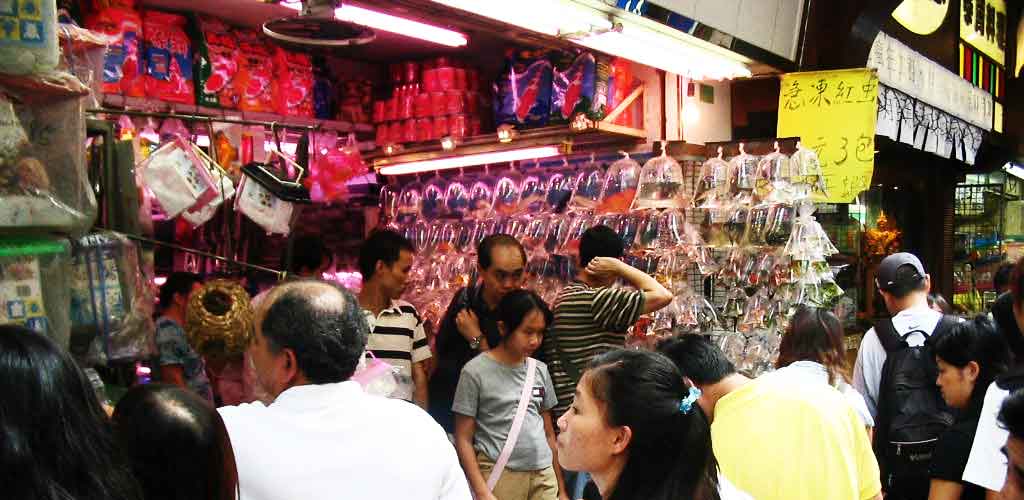
Ladies Market in Mong Kok represents Hong Kong's bargaining culture, where negotiation becomes performance art and vendor-customer interactions follow traditional protocols passed down through generations. Beyond shopping, the market showcases how Hong Kong's multicultural population navigates commercial relationships and maintains social connections.
The Flower Market celebrates Hong Kong's appreciation for natural beauty and seasonal traditions. Early morning visits reveal wholesale flower trading, traditional arrangement techniques, and the cultural significance of specific flowers in Chinese customs. During festival periods, the market becomes a cultural education center where locals explain flower symbolism and traditional decorating practices.
Parks & Cultural Landscapes
Hong Kong's parks serve as outdoor cultural centers where traditional practices continue naturally within urban settings. These green spaces host daily demonstrations of Chinese exercise, meditation, musical performance, and social interaction that provide authentic cultural immersion.
Victoria Peak hiking trails offer free access to Hong Kong's most iconic viewpoint while showcasing how locals use mountain spaces for traditional activities. Early morning hikes reveal tai chi practitioners, calligraphy enthusiasts, and meditation groups who gather in natural settings to maintain traditional wellness practices.
Hong Kong Park contains multiple cultural attractions including the walk-through aviary, traditional gardens, and performance spaces where local artists practice Chinese instruments, perform traditional dances, and teach cultural activities to interested visitors. The park's design incorporates feng shui principles and traditional Chinese garden aesthetics.
Morning visits to Kowloon Park reveal Hong Kong's most authentic cultural activities as locals engage in tai chi, qigong, traditional dancing, and musical practice. These activities happen naturally as part of daily routines, offering visitors opportunities to observe or participate in traditional wellness practices that have sustained Chinese communities for millennia.
🌅 Cultural Activity Schedule in Parks
6:00-8:00am: Tai chi and qigong practice groups
7:00-9:00am: Traditional music practice (erhu, guzheng)
8:00-10:00am: Calligraphy water writing on pavement
Evening 6:00-8:00pm: Traditional dance groups, social gatherings
Cultural Districts & Neighborhoods
Hong Kong's diverse neighborhoods each maintain distinct cultural characteristics shaped by history, geography, and community evolution. Exploring these areas on foot reveals architectural heritage, local customs, and cultural practices that define different aspects of Hong Kong identity.
West Kowloon Cultural District represents Hong Kong's commitment to cultural development, offering free outdoor performances, waterfront promenades with harbor views, and architectural experiences including the M+ Museum's striking exterior and the Hong Kong Palace Museum's innovative design. Even without museum admission, the district provides cultural enrichment through public art installations and performance spaces.
Tai Ping Shan Street preserves Hong Kong's pre-war character while embracing contemporary cultural evolution. Historic shop houses contain independent bookstores, traditional tea houses, and artisan workshops where visitors can observe traditional crafts and participate in cultural workshops. The neighborhood's narrow streets and traditional architecture provide intimate settings for cultural discovery.
The Central-Mid-Levels Escalator system offers free transportation through Hong Kong's most culturally diverse vertical neighborhood. The journey passes traditional medicine shops, contemporary galleries, colonial architecture, and local markets, providing a comprehensive cultural survey of Hong Kong's layered history and international influences.
Festivals & Seasonal Cultural Events
Hong Kong's festival calendar transforms public spaces into cultural celebrations where traditional and contemporary elements create spectacular free entertainment. These events offer intensive cultural education through performances, demonstrations, and community participation.
Chinese New Year celebrations throughout the city showcase traditional lion dances, dragon parades, temple fairs, and cultural performances that celebrate Hong Kong's Chinese heritage while incorporating international influences. Public spaces become temporary cultural centers with free performances, traditional food demonstrations, and cultural workshops.
Mid-Autumn Festival lantern displays in parks and public areas combine traditional moon festival customs with contemporary artistic interpretations. Communities gather for cultural performances, traditional storytelling, and cultural education programs that explain festival significance and traditional practices.
🎊 2025-2026 Cultural Festival Calendar
Chinese New Year: January 29-February 5, 2025
Dragon Boat Festival: May 31, 2025
Mid-Autumn Festival: September 17, 2025
Winter Solstice: December 22, 2025 (Traditional family gatherings)
Dragon Boat Festival races and cultural activities celebrate traditional Chinese water sports while demonstrating teamwork, rhythm, and community spirit. Public viewing areas provide free access to races while cultural booths offer demonstrations of traditional crafts, foods, and customs associated with this ancient festival.
Architecture & Heritage Walking Tours
Hong Kong's architectural landscape tells the story of cultural collision and fusion through buildings that span from traditional Chinese structures to contemporary international designs. Self-guided walking tours reveal this architectural heritage without requiring organized tour fees.
Colonial heritage buildings throughout Central district showcase how British architectural styles adapted to tropical climate and Chinese cultural preferences. The Former Legislative Council Building, Court of Final Appeal, and numerous heritage structures demonstrate architectural evolution and cultural adaptation.
Traditional shop houses in Sheung Wan preserve pre-war Chinese commercial architecture where ground-floor shops support residential upper floors. These buildings demonstrate traditional Chinese urban planning principles and show how communities maintained cultural practices within commercial environments.
Contemporary architecture including the IFC Tower, International Commerce Centre, and Bank of China Tower incorporate feng shui principles and cultural symbolism into modern designs. Understanding these cultural elements adds depth to architectural appreciation and reveals how traditional beliefs influence contemporary development.
Traditional Arts & Crafts Experiences
Hong Kong maintains numerous traditional arts and crafts practices where skilled artisans continue cultural traditions while welcoming observers and occasional participants. These experiences provide hands-on cultural education without formal class fees.
Calligraphy practice in parks and public spaces offers daily opportunities to observe master calligraphers who use water and large brushes to create temporary masterpieces on pavement. Many practitioners welcome interested observers and occasionally offer informal instruction to curious visitors.
Traditional music practice groups gather in parks and public areas to play classical Chinese instruments including erhu, guzheng, and dizi. These informal sessions often welcome listeners and occasionally invite participation from musically inclined visitors who respect traditional practices.
Martial arts demonstrations happen regularly in parks where experienced practitioners perform traditional forms and occasionally teach basic movements to interested observers. These activities maintain traditional physical culture while sharing knowledge across cultural boundaries.
Food Culture & Traditional Dining
Hong Kong's food culture extends beyond restaurants to include traditional food preparation, market interactions, and dining customs that reflect cultural values and social relationships. Many of these cultural experiences require minimal expenditure while providing authentic insights.
Traditional tea culture survives in local cha chaan tengs (tea restaurants) where ordering protocols, sharing practices, and social interactions follow established cultural patterns. Observing these customs and participating respectfully provides genuine cultural education about Hong Kong's unique dining evolution.
Market food preparation demonstrations at traditional markets show how vendors maintain traditional cooking techniques while adapting to modern urban conditions. Many vendors welcome questions about ingredients, preparation methods, and cultural significance of traditional foods.
🥢 Traditional Dining Cultural Etiquette
Share dishes placed in table center, use serving spoons for communal food, pour tea for others before yourself, signal for bill by making a writing motion, and offer to split bills equally among group members—these practices reflect Hong Kong's community-oriented dining culture.
Transportation as Cultural Experience
Hong Kong's public transportation systems function as cultural institutions where traditional social behaviors, architectural heritage, and community interactions create authentic cultural experiences that cost only the price of transit fares.
Star Ferry crossings provide historical cultural experiences aboard vessels that have connected Hong Kong Island and Kowloon for over a century. These brief journeys offer perspectives on harbor development, traditional maritime culture, and the social significance of affordable public transportation in Hong Kong society.
Tram "Ding Ding" rides through Hong Kong Island's traditional neighborhoods showcase street-level cultural activity while preserving transportation heritage. Upper deck seats provide excellent views of traditional shops, street markets, and daily life while the tram's historical significance connects passengers to Hong Kong's transportation evolution.
Peak Tram (if hiking the Peak Trail for free) or bus journeys to Victoria Peak demonstrate how Hong Kong residents access mountain spaces for traditional activities while the journey itself reveals urban-nature relationships that define Hong Kong's cultural landscape.
Cultural Photography & Documentation
Hong Kong's visual culture provides endless opportunities for cultural documentation through photography that captures traditional practices, architectural heritage, and community life. These activities require only respectful observation and basic photography equipment.
Traditional market photography captures authentic cultural activities while demonstrating respect for vendors and customers who maintain traditional commercial relationships. Early morning markets provide the best lighting and most authentic activities before tourist crowds arrive.
Festival photography during traditional celebrations offers opportunities to document cultural practices, traditional costumes, and community participation in cultural events. Understanding cultural significance enhances photographic storytelling and ensures respectful documentation.
Architecture photography sequences that show cultural evolution through building styles, decorative elements, and urban planning decisions create visual narratives about Hong Kong's cultural development and international influences.
Cultural Learning & Language Exchange
Hong Kong's multicultural environment provides numerous informal opportunities for cultural and language exchange that enhance understanding of local customs, traditional practices, and contemporary culture.
Language exchange meetings in public spaces allow visitors to practice Cantonese or English while learning about cultural perspectives from local participants. These informal gatherings often include cultural discussions that explain traditional practices and contemporary social issues.
Cultural workshops occasionally offered free by community centers, libraries, and cultural organizations provide hands-on experiences with traditional crafts, cooking techniques, and cultural practices. These workshops offer structured cultural education with expert instruction.
🎯Cultural Immersion Strategy
Combine morning temple visits with afternoon gallery exploration, evening market dining, and night cultural performances. This rhythm matches local daily patterns while maximizing cultural exposure across different communities and traditions.
Planning Your Free Cultural Journey
Successful cultural exploration in Hong Kong requires strategic planning that considers timing, transportation, cultural sensitivity, and seasonal variations. Understanding these factors maximizes cultural experiences while respecting local communities and traditions.
Optimal timing for cultural activities varies by experience type. Temple visits work best early morning or late afternoon when lighting enhances atmospheric photography and crowds remain manageable. Museum visits should align with free admission days when available. Market exploration succeeds best during active trading hours when cultural activities happen naturally.
Transportation planning should incorporate cultural experiences into the journey itself. Combining tram rides with walking tours, ferry crossings with harbor-side cultural exploration, and MTR travel with neighborhood cultural discovery creates comprehensive cultural immersion.
Cultural respect requirements vary among different cultural sites and communities. Understanding appropriate behavior, photography restrictions, and participation protocols ensures positive interactions while supporting cultural preservation efforts.
Seasonal considerations affect cultural activity availability, festival schedules, and optimal visiting conditions. Planning cultural exploration around major festivals provides intensive cultural education while understanding seasonal variations helps manage expectations.
Hong Kong's free cultural experiences create profound connections between visitors and the city's authentic character. These encounters with living traditions, artistic expression, and community life transform budget travel into meaningful cultural education that enriches understanding and creates lasting memories. Whether you spend a day or a week exploring, Hong Kong's generosity in sharing its cultural treasures ensures that financial limitations never restrict cultural discovery.